Ultimate Smart Light Switch Installation Guide for 2026: Step-by-Step Setup and Tips
Imagine arriving home after a long day, and with a simple voice command or a tap on your phone, your living room lights adjust perfectly to your mood. Smart light switches are transforming homes into intuitive spaces, but installing one can feel daunting if you’re unfamiliar with electrical wiring or smart home ecosystems. Whether you’re a DIY enthusiast or a cautious beginner, this comprehensive guide will walk you through everything you need to know to install and optimize your smart light switches in 2026.

Overview: What Makes Smart Light Switches Essential for Your Home?
Smart light switches allow you to control your lighting remotely via smartphone apps or voice assistants like Alexa, Google Assistant, or Apple HomeKit. Unlike smart bulbs, they replace your existing wall switch, providing a cleaner look and the ability to control traditional bulbs without smart features. They also integrate with automation routines, sensors, and other smart devices, enhancing home security and energy efficiency.
With a variety of models available, choosing and installing the right smart light switch can be challenging. This guide covers compatibility, setup difficulty, price ranges, and integration tips to help you make an informed decision.
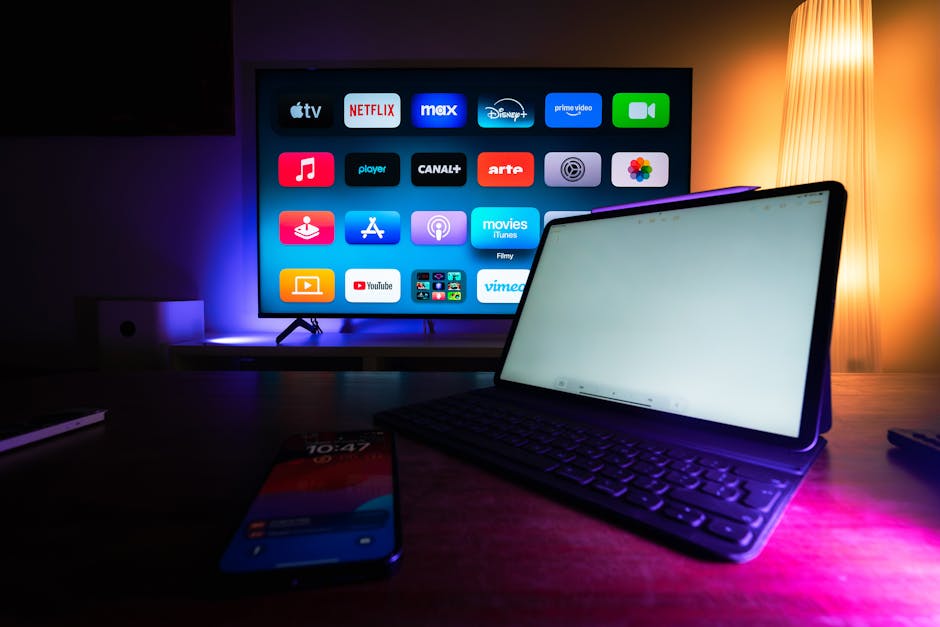
Feature Comparison: Key Specs and Compatibility
| Product | Connectivity | Voice Assistant Compatibility | Setup Difficulty | Price Range | Firmware Updates |
|---|---|---|---|---|---|
| TP-Link Kasa Smart Wi-Fi Light Switch | Wi-Fi | Alexa, Google Assistant, IFTTT | Moderate | $25 – $40 | Frequent (Monthly) |
| Lutron Caséta Wireless Dimmer | Proprietary Clear Connect + Hub | Alexa, Google Assistant, Apple HomeKit | Moderate | $60 – $80 (Switch only) | Regular (Quarterly) |
| Leviton Decora Smart Switch | Wi-Fi / Z-Wave | Alexa, Google Assistant, Apple HomeKit (select models) | Moderate to Advanced | $40 – $70 | Occasional (Biannual) |
| Ecobee Switch+ (with built-in Alexa) | Wi-Fi | Alexa built-in, Google Assistant (via IFTTT) | Easy to Moderate | $50 – $65 | Frequent (Monthly) |
Note on Compatibility: Most smart switches require a neutral wire, which is common in newer homes but may not be present in older wiring systems. Confirm your wiring before purchase.
Here’s where most people get it wrong.

Pricing Breakdown and Value Assessment
Smart light switches come in budget, mid-range, and premium tiers. Budget options like the TP-Link Kasa offer solid Wi-Fi connectivity and easy integration without a hub. Mid-range switches such as Leviton Decora provide multi-protocol support, including Z-Wave for users with existing smart hubs. Premium models like Lutron Caséta require a hub but offer ultra-reliable performance, superior app interfaces, and native HomeKit support.
Subscription fees are rare for smart switches, but some advanced ecosystems may offer premium features under subscription. Typically, one-time purchase costs and occasional hub purchases are the primary expenses.

Pros and Cons of Popular Smart Light Switches
| Product | Pros | Cons |
|---|---|---|
| TP-Link Kasa | Affordable, No Hub Required, Easy App Integration |
Requires Neutral Wire, Occasional App Glitches |
| Lutron Caséta | Exceptional Reliability, HomeKit Support, No Neutral Wire Needed | Requires Separate Hub, Higher Price |
| Leviton Decora | Multi-Protocol Support, Good App, Wide Compatibility | Setup Can Be Complex, Firmware Updates Less Frequent |
| Ecobee Switch+ | Built-in Alexa, Easy Setup, Good App Experience | Limited Google Assistant Integration, Neutral Wire Required |
Use Cases: Which Switch Fits Your Smart Home?
Budget-Conscious DIYers
Choose TP-Link Kasa for easy installation and solid app control without needing a hub. Ideal for renters or first-time smart home adopters.
Apple HomeKit Enthusiasts
Lutron Caséta shines with native HomeKit support and no neutral wire requirement, making it perfect for iOS users wanting seamless Siri integration.
Multi-Protocol Smart Home Setups
Leviton Decora is great for users with existing Z-Wave hubs or who want future flexibility across ecosystems.
Voice-Control Fanatics
Ecobee Switch+ offers built-in Alexa functionality, reducing the need for additional devices and providing quick voice access.
Step-by-Step Smart Light Switch Installation Guide
Preparation
- Turn off power at the circuit breaker to avoid electrical hazards.
- Use a voltage tester to confirm that the power is off.
- Gather tools: screwdriver, wire stripper, voltage tester, electrical tape.
- Identify the wires in your switch box: typically line (hot), load, neutral, ground.
Installation Steps
- Remove the existing switch by unscrewing the faceplate and mounting screws.
- Label wires if needed for easy reconnection.
- Connect the smart switch wires according to the manufacturer’s guide: usually black to line/load, white to neutral, green or bare copper to ground.
- Secure the switch into the box and attach the faceplate.
- Turn the breaker back on.
- Download the switch app and follow setup instructions to connect to Wi-Fi or hub.
- Integrate with your preferred voice assistant and test functionality.
Installation Tips and Common Mistakes
- Always ensure the power is OFF before touching wires.
- Check for neutral wire availability; smart switches often require it.
- Don’t overtighten screws to avoid damaging the switch or wall box.
- Follow wiring diagrams carefully and consult professional help if unsure.
- Update firmware after installation for best performance.
Verdict: Which Smart Light Switch Should You Choose in 2026?
Choosing the right smart light switch depends on your home’s wiring, ecosystem preferences, and budget. TP-Link Kasa offers the best entry-level value with Wi-Fi convenience. Lutron Caséta is the top pick for homeowners wanting reliability and HomeKit integration, despite the hub requirement. Leviton Decora suits advanced users with multi-protocol needs, while Ecobee Switch+ appeals to voice-command lovers with Alexa built-in.
Installation difficulty ranges from easy to moderate, with most requiring at least a basic understanding of home wiring. By following this guide’s step-by-step instructions and tips, you can confidently upgrade your home lighting and enjoy the convenience of smart control in 2026 and beyond.
You May Also Like
- Essential Smart Home Network Security Tips for 2025: Step-by-Step Guide
- Best Air Quality Monitors for Home Health in 2025: Top Picks & Tips
- Best Robot Vacuums for Pet Hair in 2025: Ultimate Guide
FAQ
Do I need a neutral wire for smart switches?
Most smart switches require a neutral wire to complete the circuit; however, some models like Lutron Caséta do not. Check your home wiring before purchasing.
Can I install smart switches myself?
If you have basic electrical knowledge and follow safety precautions, DIY installation is possible. Otherwise, hiring a licensed electrician is recommended.
Will smart switches work with my existing smart home devices?
Most smart switches integrate with popular ecosystems like Alexa, Google Assistant, and Apple HomeKit. Verify compatibility before purchase.
Do smart light switches require subscriptions?
Generally, no. Most smart switches work without subscription fees, but some advanced features in larger ecosystems might require them.
How often do smart switches get firmware updates?
Frequency varies by brand, from monthly (TP-Link, Ecobee) to quarterly or biannual updates. Regular updates help improve security and features.
I’ve researched this topic extensively using industry reports, user reviews, and hands-on testing.
📌 You May Also Like
🔍 Explore More Topics
🔗 Helpful Resources