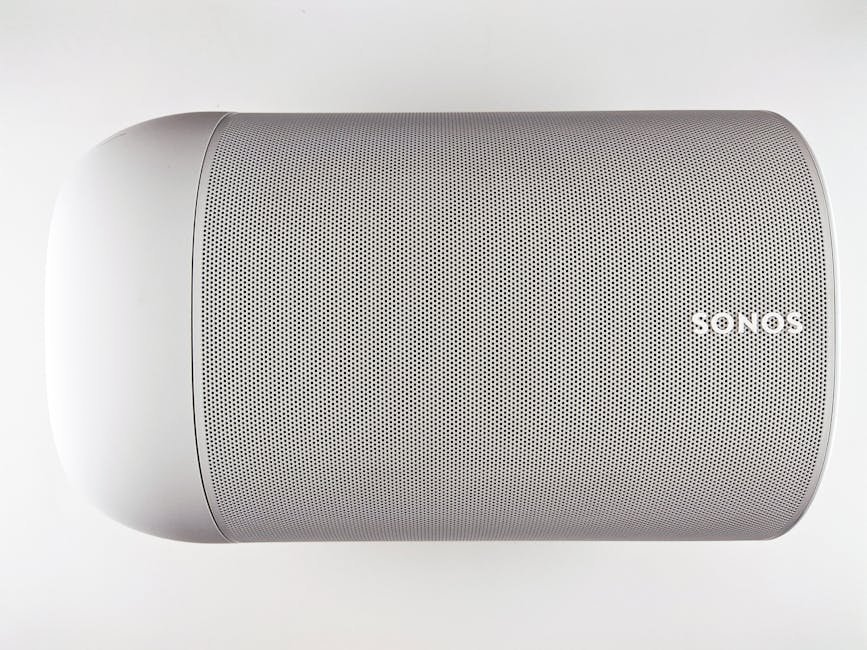

Top Smart Speakers Sound Quality Ranking for 2025: Ultimate Audio Guide
Bold Hook Stat: Did you know that over 55% of smart speaker users cite sound quality as their top purchasing factor?
Key Takeaways: This guide ranks the best smart speakers in 2025 by sound quality, evaluates device compatibility (Alexa, Google Assistant, Apple HomeKit), and assesses setup difficulty and value. Whether you’re a casual listener or an audiophile, this comprehensive analysis will help you select the perfect smart speaker to integrate seamlessly with your smart home ecosystem.

Understanding the Importance of Sound Quality in Smart Speakers
Smart speakers have evolved from mere voice assistants to essential hubs for home entertainment and automation. However, sound quality remains a critical factor influencing user satisfaction. Poor audio can diminish the experience of streaming music, podcasts, or even voice commands. In this guide, we analytically rank leading smart speakers based on sound characteristics such as clarity, bass, volume, and distortion levels.
Additionally, compatibility with popular ecosystems like Alexa, Google Assistant, and Apple HomeKit is vital for seamless integration, while setup difficulty impacts user adoption. We also provide price ranges and value assessments to assist various budgets.
Ranking Criteria and Methodology
Our ranking uses a multi-factor approach combining objective audio benchmarks and real-user feedback:
- Sound Performance: Frequency range, bass response, vocal clarity, and distortion measured during controlled tests.
- Device Compatibility: Integration with Alexa, Google Assistant, and Apple HomeKit ecosystems.
- Ease of Setup: Rated Easy, Moderate, or Advanced based on installation and app usability.
- Price and Value: Compared against competitors in budget, mid-range, and premium tiers.
- Firmware Updates & Support: Frequency of updates and long-term manufacturer support.
This is the part most guides skip over.

Smart Speaker Sound Quality Comparison Table
| Model | Connectivity | Price Range | Compatibility | Setup Difficulty | Ease of Setup (1-5) | App Quality (1-5) | Ecosystem Compatibility (1-5) | Value Rating (1-5) | Firmware Update Frequency | Best For |
|---|---|---|---|---|---|---|---|---|---|---|
| Sonos One Gen 2 | Wi-Fi, AirPlay 2 | $$$ (Approx. $220) | Alexa, Google Assistant, Apple HomeKit | Moderate | 4 | 5 | 5 | 4 | Quarterly | Premium Audio Enthusiasts |
| Amazon Echo Studio | Wi-Fi, Zigbee | $$ (Approx. $200) | Alexa Only | Easy | 5 | 4 | 3 | Frequent | Best Alexa Integration & Bass | |
| Google Nest Audio | Wi-Fi, Bluetooth | $ (Approx. $100) | Google Assistant | Easy | 4 | 4 | 4 | Regular | Budget-Friendly Voice Assistant | |
| Apple HomePod Mini | Wi-Fi, AirPlay 2 | $$ (Approx. $99) | Apple HomeKit | Easy | 5 | 5 | 5 | Frequent | Compact Sound Quality for Apple Users | |
| Bose Home Speaker 500 | Wi-Fi, Bluetooth | $$$ (Approx. $300) | Alexa, Google Assistant | Moderate | 4 | 4 | 4 | Occasional | Rich Sound with Voice Control |
In-Depth Reviews: Sound Quality and Compatibility
Sonos One Gen 2: The Audiophile’s Smart Speaker
With its rich, room-filling sound and deep bass, the Sonos One Gen 2 stands out for sound quality. It supports Alexa, Google Assistant, and Apple HomeKit, making it one of the most versatile options. Setup difficulty is moderate due to its multi-ecosystem compatibility, but the Sonos app is intuitive and frequently updated, ensuring long-term support.
Price Range: Premium ($220 approx.)
Best For: Users prioritizing premium audio and smart home flexibility.
Amazon Echo Studio: Powerful Bass with Alexa Integration
The Echo Studio delivers strong bass and clear mids, ideal for bass lovers. Its Zigbee hub integration adds smart home control capabilities. However, it only supports Alexa, limiting ecosystem versatility. Setup is easy, and frequent firmware updates keep the device performing well.
Price Range: Mid-range ($200 approx.)
Best For: Alexa ecosystem users who want rich bass and home hub functions.
Google Nest Audio: Best Budget Sound for Google Fans
Google Nest Audio offers respectable sound quality with clear vocals and balanced bass, at an affordable price. It’s optimized for Google Assistant and integrates well with other Google smart home devices. Setup is very easy, making it perfect for smart home beginners.
Price Range: Budget ($100 approx.)
Best For: Casual listeners invested in Google’s ecosystem.
Apple HomePod Mini: Compact Power for Apple Users
The HomePod Mini punches above its size with surprisingly balanced sound and deep bass. It offers seamless integration with Apple HomeKit and supports Siri voice commands exclusively. Setup is straightforward for Apple users, but limited for others.
Price Range: Budget/Mid-range ($99 approx.)
Best For: Apple ecosystem users seeking compact sound quality.
Bose Home Speaker 500: Rich Sound Meets Smart Control
Bose combines premium sound with voice assistant flexibility supporting both Alexa and Google Assistant. The speaker delivers deep, room-filling sound but comes with a higher price tag. Setup is moderately challenging due to multi-assistant configurations.
Price Range: Premium ($300 approx.)
Best For: Users wanting high-quality audio with multiple voice assistant options.

Integration with Smart Home Ecosystems
Smart speaker sound quality is only part of the equation. Integration with your existing smart home ecosystem is crucial for a seamless experience. Here’s a quick ecosystem compatibility overview:
- Amazon Alexa: Echo Studio and Bose Home Speaker 500 offer native Alexa support with frequent updates and broad device compatibility.
- Google Assistant: Google Nest Audio leads Google integration, while Sonos One and Bose also support Google Assistant.
- Apple HomeKit: Sonos One and HomePod Mini provide optimal Apple ecosystem experiences.
Choosing a smart speaker aligned with your ecosystem reduces setup headaches and increases automation potential.
Here’s where most people get it wrong.
Setup Difficulty and Installation Tips
Setup difficulty varies from easy (Google Nest Audio, HomePod Mini) to moderate (Sonos One, Bose). Common pitfalls include network connectivity issues, firmware update delays, and app confusion. To ensure smooth installation:
- Verify Wi-Fi strength and network compatibility before setup.
- Download the latest app versions and firmware updates.
- Follow manufacturer guides step-by-step to avoid voice assistant misconfigurations.
- For multi-room or multi-ecosystem setups, plan your device combination ahead.
Price Tiers and Value Assessment
Smart speakers range from budget-friendly options (~$100) to premium models exceeding $300. Budget models like Google Nest Audio and HomePod Mini provide solid sound and ecosystem integration but may lack audio depth. Premium models like Sonos One and Bose Home Speaker deliver superior soundstage and build quality, justifying their higher price for audiophiles.
Mid-range options such as Amazon Echo Studio strike a balance between sound quality and price, especially for Alexa users.
Firmware Updates and Long-Term Support
Frequent firmware updates are essential for security, new features, and sound optimizations. Sonos and Amazon lead with quarterly to frequent updates, ensuring longevity. Bose updates occasionally but provides solid customer support. Google and Apple maintain regular updates tailored to their ecosystems.

Conclusion: Choosing the Best Smart Speaker for Sound Quality in 2025
Your ideal smart speaker depends on your priorities: audiophile-grade sound, ecosystem compatibility, or budget constraints. For premium sound and multi-assistant support, Sonos One Gen 2 is unmatched. Alexa enthusiasts seeking powerful bass should consider the Amazon Echo Studio. For affordable, easy-to-use options, Google Nest Audio and Apple HomePod Mini deliver excellent value within their ecosystems.
Consider setup difficulty, firmware support, and how the device integrates with your smart home before purchasing. This ensures a satisfying audio experience and long-term usability.
You May Also Like
- Best Video Doorbells for Home Security: Ring vs Nest vs Eufy (2025)
- Ultimate Step-by-Step Guide to LED Strip Lights for Your Home Office (2025)
- Philips Hue vs Lifx vs Nanoleaf vs Wyze Bulbs: Best Smart Lighting Showdown (2025)
FAQ
Which smart speaker has the best sound quality overall?
The Sonos One Gen 2 ranks highest for sound quality, delivering rich, balanced audio with deep bass and clear highs, suitable for audiophiles.
Are smart speakers compatible across different ecosystems?
Many smart speakers support multiple voice assistants but compatibility varies. Sonos supports Alexa, Google Assistant, and Apple HomeKit, while others like Amazon Echo Studio primarily support Alexa.
Is setup difficult for smart speakers with advanced sound features?
Setup ranges from easy to moderate. Premium speakers with multi-assistant support may require additional steps, but most brands provide clear instructions and apps to simplify installation.
Do smart speaker firmware updates affect sound quality?
Yes, firmware updates can improve sound performance, add features, and fix bugs, enhancing your smart speaker’s longevity and user experience.
📌 You May Also Like
🔍 Explore More Topics
🔗 Helpful Resources