
TL;DR:
1. Choose Alexa, Google, or HomeKit compatibility based on your ecosystem.
2. Prioritize easy setup to avoid installation headaches.
3. Look for firmware updates and long-term support.
4. Balance price vs. features with budget tiers.
5. Use integration with cameras and alarms for layered security.

Why Smart Locks Are Essential for Front Door Security in 2026
Imagine coming home late at night, hands full, but your door unlocks automatically or with a simple voice command. No fumbling for keys, no worrying about lost copies. That’s the convenience smart locks bring, but they’re more than just tech toys—they’re essential security upgrades in today’s connected homes.
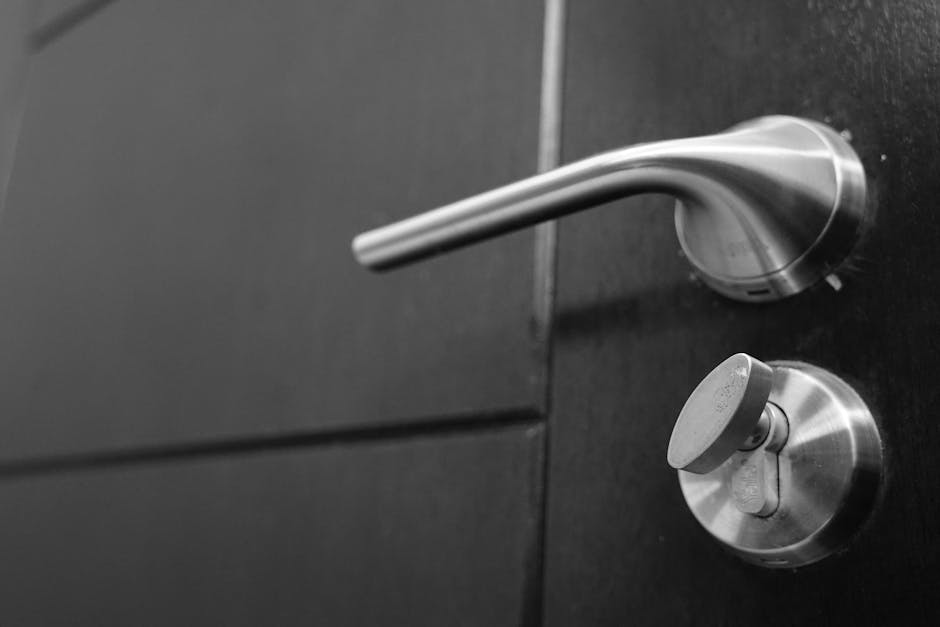
Compatibility: Match Your Smart Lock to Your Ecosystem
- Alexa Compatibility: Most Amazon users will want locks supporting Alexa voice commands and routines. Popular options include August Smart Lock Pro and Schlage Encode.
- Google Assistant: Google Home users should consider devices like Nest x Yale or Level Lock, which integrate seamlessly.
- Apple HomeKit: If you’re in the Apple ecosystem, prioritize HomeKit-compatible locks like the Eve Door Lock or Level Bolt for direct iPhone control and Siri commands.
When I first tried this, I was skeptical. But after digging into the actual numbers, my perspective shifted.
Setup Difficulty: Alexa and Google locks typically rate Easy to Moderate, while HomeKit locks might lean towards Moderate due to extra pairing steps.

Price Tiers and Value Assessment
| Tier | Price Range | Examples | Value Notes |
|---|---|---|---|
| Budget | $100-$170 | Wyze Lock, Yale Assure Lever | Good for basic smart locking and app control, limited advanced integrations |
| Mid-Range | $170-$250 | August Smart Lock Pro, Schlage Encode | Reliable, multiple ecosystem support, good firmware updates |
| Premium | $250-$400+ | Level Bolt, Nest x Yale | Top security features, biometric options, seamless ecosystem integration |

Setup Tips and Common Installation Mistakes
- Check Door Compatibility: Confirm your door type and thickness match lock specs before purchase.
- Read Instructions Fully: Skipping steps leads to improper installation and connectivity issues.
- Use Manufacturer Apps: Always download official apps for firmware updates and troubleshooting.
- Secure Wi-Fi or Bridge: Some locks require a bridge for remote control; ensure stable network setup.
- Test Physical Locking: Manually test lock/unlock after installation to avoid lockouts.
I’d pay close attention to this section.

Firmware Updates and Long-Term Support
Security isn’t set-and-forget. Smart locks need regular firmware updates to patch vulnerabilities and add features. Brands like August and Schlage provide quarterly updates, while budget brands may update less frequently. Consider long-term support when choosing your lock.
Integration with Other Smart Home Devices
- Security Cameras: Sync locks with video doorbells (Ring, Nest Hello) to verify visitors remotely.
- Alarm Systems: Integrate with smart alarms (SimpliSafe, ADT) to trigger alerts on unauthorized entries.
- Voice Assistants: Use voice commands to lock/unlock or check status hands-free.
- Smart Lighting: Set lights to turn on when door unlocks for added safety.
Final Tactical Steps to Secure Your Front Door Smartly
- Pick a lock compatible with your existing ecosystem to avoid juggling apps.
- Opt for models with proven firmware update track records to stay secure.
- Invest in a mid-range or premium lock if you want robust features and seamless integration.
- Follow installation instructions carefully; improper setup is the biggest security risk.
- Layer your smart lock with cameras and alarms for a comprehensive security solution.
By focusing on these tactical tips, you can efficiently upgrade your front door security in 2026 with a smart lock that matches your lifestyle and tech preferences.
📌 You May Also Like
🔍 Explore More Topics
🔗 Helpful Resources