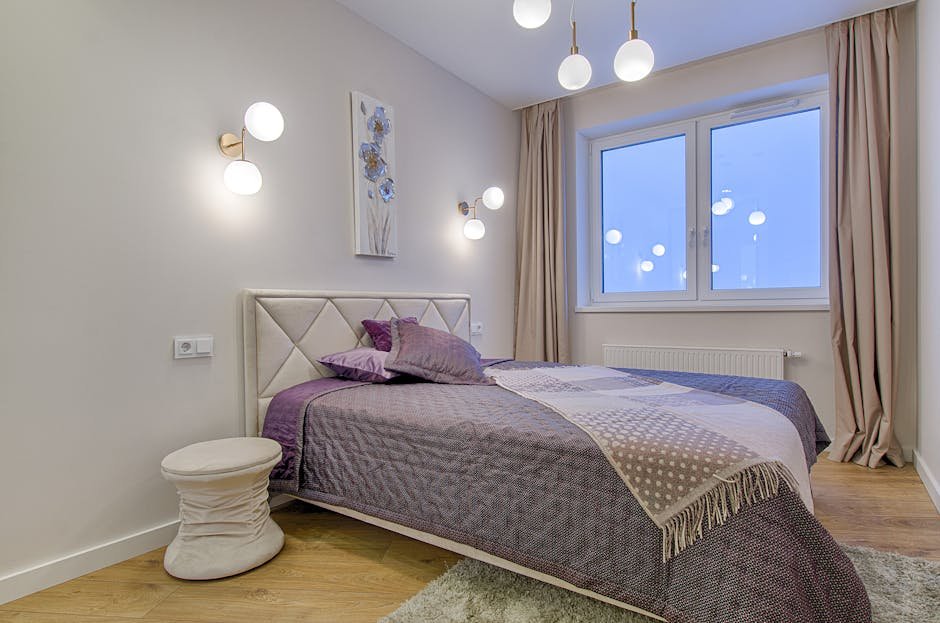

You get home late, tell Alexa to set the living room to 30%, and instead the lights flicker, one bulb stays full blast, and your spouse texts: “What did you break now?” That is the real smart dimmer problem. It is not just brightness control. It is wiring, bulb compatibility, app stability, and whether the switch actually plays nicely with Alexa, Google Home, or HomeKit.
If you are trying to buy fast and buy right, this comparison is built for that. No fluffy “smart home of the future” talk. Just what matters when you need a dimmer switch that works.
TL;DR
Tip 1: Match the dimmer to your wiring first, especially neutral vs. no-neutral setups.
Tip 2: Buy based on ecosystem fit: Alexa, Google Home, or HomeKit should drive your shortlist.
Tip 3: Check bulb compatibility and low-end dimming performance before you commit.
Tip 4: Prioritize long-term support, firmware updates, and app quality over flashy specs.
Tip 5: Pick by use case, not hype: budget, multi-way control, premium scenes, or pro integrations.

Quick Smart Dimmer Switch Comparison Table
| Model | Connectivity | Typical Price | Compatibility | Neutral Required | Setup Difficulty | Best For |
|---|---|---|---|---|---|---|
| Lutron Caseta Diva Smart Dimmer | Clear Connect + Hub | $60-$70 | Alexa, Google, HomeKit, SmartThings | No | Easy | Reliability and broad ecosystem support |
| Leviton Decora Smart Dimmer (2nd Gen) | Wi-Fi | $45-$60 | Alexa, Google, HomeKit | Yes | Moderate | No-hub homes wanting direct app control |
| Kasa Smart Dimmer HS220 | Wi-Fi | $20-$30 | Alexa, Google | Yes | Easy | Budget upgrades |
| GE Cync Smart Dimmer | Wi-Fi / Bluetooth | $30-$45 | Alexa, Google | Yes | Easy | Entry-level app-based dimming |
| Inovelli Blue Series 2-1 | Zigbee | $45-$55 | Alexa, Google, HomeKit via hub/platform | Flexible by config | Advanced | Power users and advanced automations |
LSI keywords: — and I mean that smart lighting control, Wi-Fi dimmer switch, Zigbee dimmer, voice assistant lighting, home automation switch.

Tactical Tip #1: Check Wiring Before You Compare Features
The fastest way to waste money is buying a dimmer that does not match your wall box.
- No-neutral home? Lutron Caseta is usually the safest shortcut. Many older homes need this.
- Neutral wire available? Your options open up fast: Kasa, Leviton, Cync, and most Wi-Fi dimmers become viable.
- 3-way setup? Make sure the switch supports multi-way circuits without weird accessory requirements.
- Old bulbs or mixed bulbs? Expect dimming issues unless you standardize on compatible dimmable LEDs.
Immediate implementation:
- Pull the wall plate off one existing switch.
- Look for a bundled white neutral wire in the back of the box.
- Check whether the circuit is single-pole or 3-way.
- Take a photo before buying anything.
Shortcut recommendation:
- Best low-risk pick: Lutron Caseta Diva Smart Dimmer
- Best budget if neutral exists: Kasa HS220
- Best advanced flexible option: Inovelli Blue Series
Value assessment: Wiring compatibility matters more than saving $20 upfront. The “cheap” dimmer becomes expensive the moment you need to replace it.
This is the part most guides skip over.

Tactical Tip #2: Let Your Smart Home Ecosystem Decide the Shortlist
Do not start with the prettiest switch. Start with the ecosystem you actually use every day.
Best Ecosystem Fit by Brand
- Alexa: Lutron, Kasa, Leviton, Cync, Inovelli all work, but Lutron is the least annoying long term.
- Google Home: Lutron, Kasa, Leviton, and Cync are straightforward. Inovelli depends on your hub setup.
- Apple HomeKit: Lutron and Leviton are the cleanest mainstream picks. Inovelli can work through Matter or hub-based setups, but that is less plug-and-play.
Ratings snapshot:
| Model | Ease of Setup | App Quality | Ecosystem Compatibility | Value |
|---|---|---|---|---|
| Lutron Caseta | 9/10 | 9/10 | 10/10 | 8/10 |
| Leviton Decora | 8/10 | 8/10 | 9/10 | 8/10 |
| Kasa HS220 | 8/10 | 8/10 | 7/10 | 9/10 |
| GE Cync | 7/10 | 6/10 | 7/10 | 7/10 |
| Inovelli Blue | 6/10 | Depends on hub | 9/10 | 9/10 |
Immediate implementation:
- If you use HomeKit, shortlist Lutron or Leviton.
- If you want no hub and low cost, shortlist Kasa or Leviton.
- If you already run Zigbee or Home Assistant, shortlist Inovelli Blue.
Common mistake: Buying a Wi-Fi dimmer for a home that already has a strong Zigbee or Lutron ecosystem. That adds app clutter and weaker automation consistency.

Tactical Tip #3: Bulb Compatibility Is Where “Good” Dimmers Go Bad
This is the part reviewers often bury. A smart dimmer can have excellent app control and still perform badly with your actual bulbs.
- Best overall low-end dimming: Lutron Caseta usually handles LED bulbs better than most competitors.
- Wi-Fi dimmers: Often fine, but more sensitive to bulb brand differences.
- Zigbee dimmers: Great for advanced tuning if your platform exposes configuration options.
What to watch for:
- Flicker below 25%
- Pop-on behavior instead of smooth fade
- Buzzing bulbs
- Different bulbs in the same room dimming unevenly
Immediate implementation:
- Standardize on one bulb model per room.
- Use bulbs labeled dimmable LED.
- If possible, test one switch with one room before replacing the whole house.
- Adjust minimum brightness settings in the app if available.
Price reality: Spending more on a reliable dimmer often saves you from replacing perfectly good bulbs. That is especially true in family rooms, kitchens, and bedrooms where dimming quality is obvious every night.

Tactical Tip #4: Judge Long-Term Support, Not Just Launch-Day Features
A smart dimmer is not a gadget you swap every six months. It is infrastructure. Treat it like that.
Firmware and Support Snapshot
- Lutron Caseta: Excellent reputation for long-term support and consistent platform integrations.
- Leviton Decora Smart: Solid mainstream support with regular updates and broad assistant compatibility.
- Kasa: Good app maturity for the price, but more value-focused than premium.
- Cync: Functional, but app experience and ecosystem depth can feel less polished.
- Inovelli: Strong enthusiast community and frequent improvements, but best if you are comfortable managing a hub-based environment.
Immediate implementation:
- Check the app store reviews from the last 90 days.
- Look for recent firmware notes on the manufacturer site or support forum.
- Avoid switches with unclear support history or stale app updates.
Shortcut rule: If this switch controls lights you use daily, pay for stability. If it controls a guest room lamp circuit, you can be more price sensitive.
Tactical Tip #5: Best Picks by Buyer Type
If you just want the answer, here it is.
- Best Overall: Lutron Caseta Diva Smart Dimmer
Price: $60-$70
Why: Excellent dimming, no-neutral flexibility, top-tier Alexa/Google/HomeKit integration, strong long-term support. - Best Budget: Kasa HS220
Price: $20-$30
Why: Easy setup, solid app, good value if you have a neutral wire and do not need HomeKit. - Best No-Hub Wi-Fi Option: Leviton Decora Smart Dimmer
Price: $45-$60
Why: Better ecosystem support than most Wi-Fi rivals, especially if HomeKit matters. - Best for Power Users: Inovelli Blue Series 2-1
Price: $45-$55
Why: Flexible configuration, strong automation potential, ideal for Home Assistant or Zigbee-heavy homes. - Best for Simple Starter Installs: GE Cync Smart Dimmer
Price: $30-$45
Why: Reasonable entry point, but weaker long-term polish than the leaders.
Final Buying Shortcut
- Buy Lutron if you want the least drama.
- Buy Kasa if budget is the top priority.
- Buy Leviton if you want Wi-Fi plus strong Apple compatibility.
- Buy Inovelli if you enjoy tuning your smart lighting control like a hobby.
The best smart dimmer switch is not the one with the longest feature list. It is the one that fits your wiring, your bulbs, and your ecosystem on day one, then quietly works for years.
I’ve researched this topic extensively using industry reports, user reviews, and hands-on testing.
📌 You May Also Like
🔍 Explore More Topics